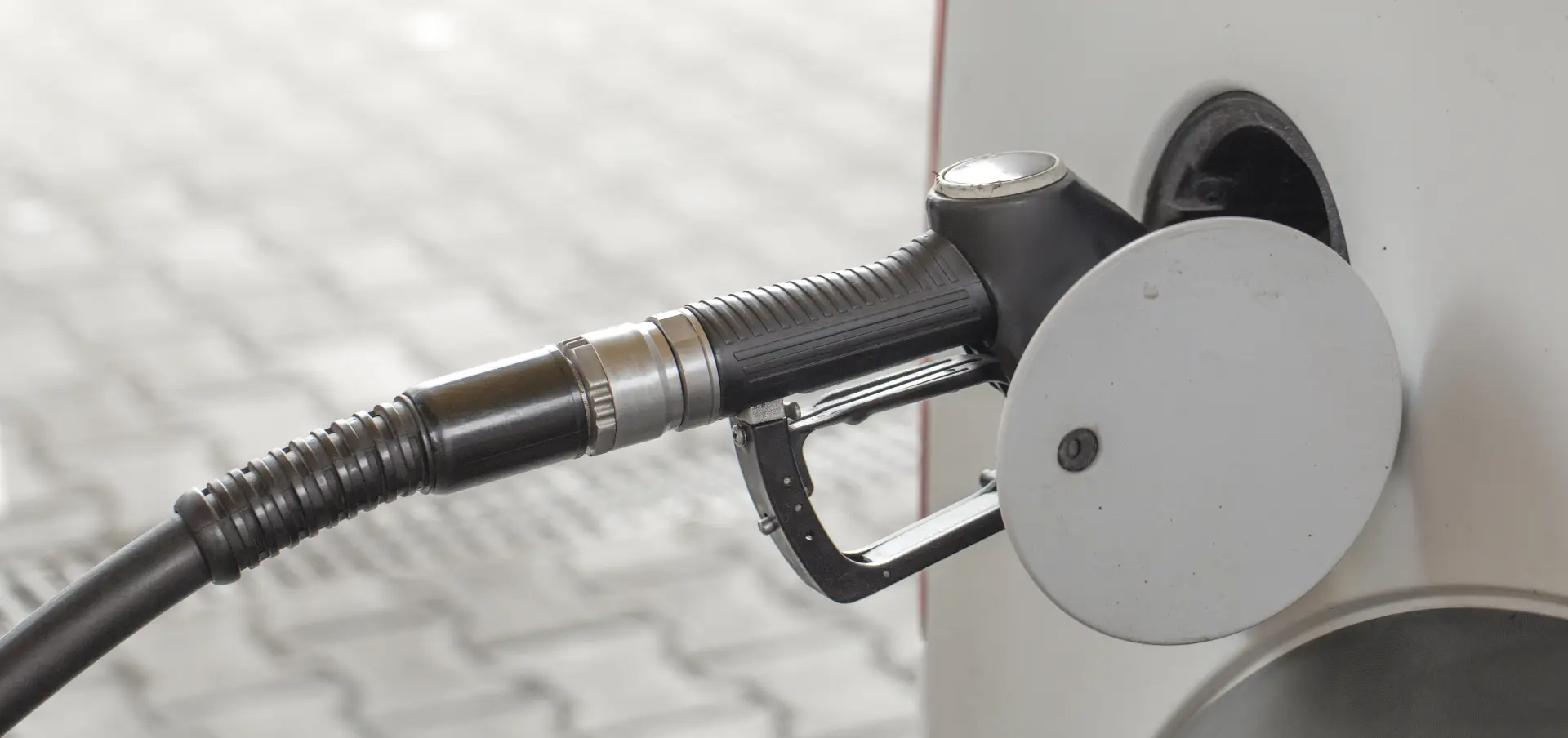
Fuel smell near the filler
Fuel smell near the filler is one of the clearest signs of a petrol cap problem. When the cap is not sealing properly, petrol vapour can escape and collect around the filler area. You might notice the smell after refuelling, when the car is warm, or when it is parked in a garage. A loose, cross threaded or damaged cap, or dirt stuck on the seal, can all cause fumes to leak.
If the smell is strong, do not ignore it, as it could point to a safety or emissions issue. Check the cap is tight, clicks into place and sits evenly, and ask a technician to inspect the filler neck and seal if the fuel smell keeps returning regularly.
Cracked or worn rubber seal
The rubber seal on a petrol cap plays a vital role in keeping fumes in and moisture and dirt out. Over time, this seal can crack, flatten or become brittle through age, heat and exposure to fuel. A cracked or worn rubber seal will not sit snugly against the filler neck, which allows petrol vapour to escape and can trigger warning lights or a failed emissions test. You may notice fuel smells, a hissing noise when opening the cap, or visible splits and rough edges on the seal itself. In cold weather, an already weakened seal can harden further and lose flexibility, making it difficult for the cap to close correctly.
Missing a petrol cap for your car? Andrew Eggleton's range of Full Chrome Fuel Caps covers a wide range of Makes & Models from the 1960’s onwards.

Regular inspection is important. When you refuel, take a quick look at the rubber ring for signs of wear, swelling or missing sections. If the seal looks damaged, do not try to repair it with glue or tape, as this rarely lasts and can cause more issues.
Instead, replace the cap with a quality part that comes with a fresh seal, designed to fit your vehicle. This simple fix can restore proper sealing, protect your fuel system and save you from more expensive problems in the future.
A dealer or trusted garage can supply the correct replacement and check the filler neck for wear at the same time. Keeping the seal in good condition also helps stop rainwater, road salt and dust from entering the tank, which protects injectors and fuel pumps over the full life of the vehicle.
Wrong cap size or a poor universal fit
Using the wrong petrol cap size can lead to a poor seal, ongoing fuel smells and even warning lights on the dashboard. Universal caps that claim to fit many cars often sit too loose or too tight on the filler neck. A cap that is too small may not latch securely, while a cap that is too large can cross thread or damage the neck. Either problem stops the seal from working as it should.
If your cap feels awkward to fit, does not click, or can be pulled off easily, it is likely not the right match. Always choose a cap that is specified for your vehicle make, model and year. This helps prevent leaks, fumes and future repairs.
Cap lock jammed or key will not turn
Many petrol caps have a built in lock to prevent unauthorised access to your fuel. Over time, the small lock inside the cap can jam, making it hard or impossible to turn the key. Dirt, rust, worn key cuts and lack of lubrication are common causes. You might notice the key going in only part way, feeling tight, or refusing to turn in cold or wet weather. Forcing it can snap the key or damage the locking barrel, which may leave the cap stuck on the car.

First, try gently wiggling the key while turning it, and make sure you are using the correct key, not a similar looking one. A small amount of graphite powder or a lock safe spray lubricant can sometimes free a dry, sticky mechanism. Avoid using heavy oil, as this can attract dust and make the problem worse in the long run. If the cap will still not unlock, do not keep forcing it.
A garage or locksmith can remove the cap without harming the filler neck and can supply a matching replacement. In some cases, it is safer to switch to a new locking cap, as repeated problems often mean the internal parts are badly worn. If your car has central locking on the fuel flap, check that the flap itself is fully open before trying the key. Some vehicles also have a release cable inside the boot, which allows a technician to access a jammed cap without drilling or cutting in most cases.
Frozen cap in winter and how to free it
In winter, moisture around the petrol cap can freeze and bond the cap to the filler neck. This is more likely if water sits in cracks in the rubber seal or around the threads. Do not force the cap, as sudden twisting can break the plastic or damage the seal. Instead, warm the area gently. You can pour lukewarm, not boiling, water over the cap, or use a warm cloth held against it for a few minutes.
Once the ice softens, try turning the cap slowly while pressing in. After freeing it, dry the area well and check the seal for splits. A light smear of silicone grease can help keep water out in future. Avoid de-icer on paintwork.
At Andrew Eggleton Classic Petrol Caps, we inspect petrol caps, seals and filler necks, diagnose fuel smells and warning lights, and supply the correct replacement cap for your vehicle. We also sort jammed or frozen locking caps and check for leaks or damage, helping keep your fuel system safe, efficient and ready for daily driving.